Revisiting the notes I took 6 years ago and reflecting them today (on a Friday night…):
-
Some things in life are straightforward. You put in the work, you get the result.
Getting a degree, learning to drive, passing an exam. That's the predictable world.
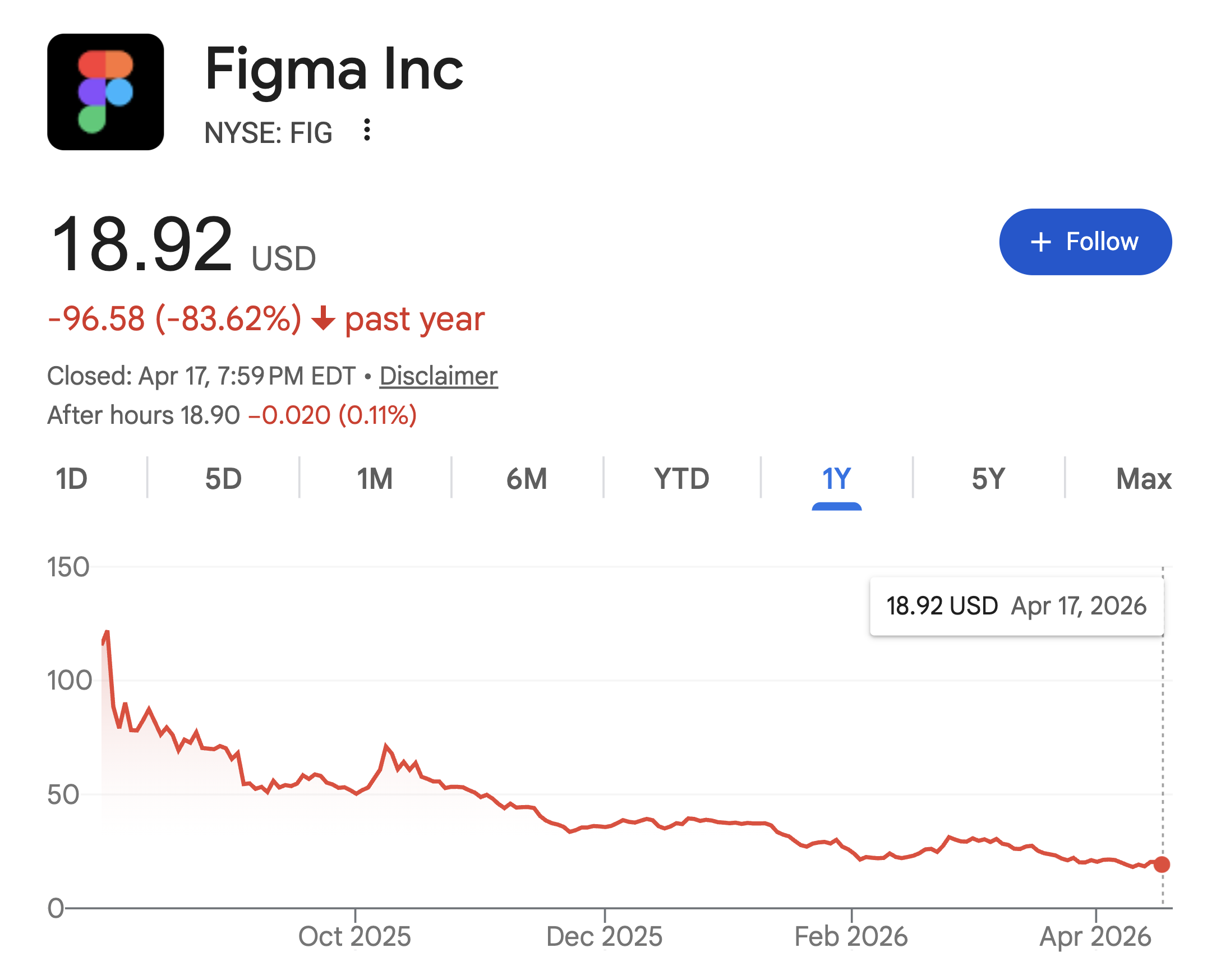
But most of business and creative work doesn't operate that way. It's messy, random, and most people fail.
Not because they're bad at it, but because luck plays a bigger role than anyone wants to admit.
And when someone does win, winning tends to snowball.
-
So it’s important to not treat your ideas like they're your baby. Think of them more like experiments.
Don't go all-in on one thing hoping it's "the successful one." Instead, make a lot of experiments. Go for things that are more likely to work, even if the payoff is smaller.
And once you get a win, it opens doors to bigger wins.
Just like how VCs think. They don't bet on one film or one startup. They place many bets, knowing most will fail, but the ones that hit will more than make up for it.
-
One trap is survivorship bias.
That's when people look at someone successful and reverse-engineer "rules" from their story. "Just follow your passion." "Just keep showing up."
It sounds great, but it ignores all the people who did the exact same thing and got nowhere.
What worked for one person in a random environment doesn't mean it'll work for you.
-
Instead, think in probabilities. You can't know for sure what'll work, but you can get a feel for what's more or less likely.
And before you chase the big win, protect your downside first. Think like a prepper. Make sure you can survive before you try to thrive.
-
Finally, luck isn't just something that happens to you. You can actually set yourself up for it.
Stack your skills, knowledge, connections, and savings in interesting combinations. Stay curious. Put yourself out there so people know what you can do.
That's how opportunities start finding you instead of the other way around.